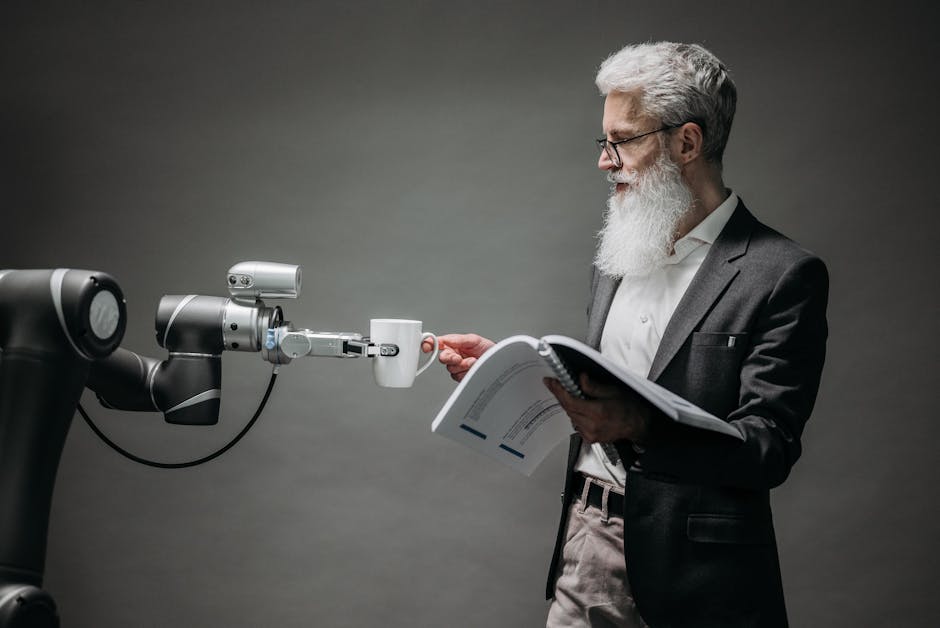
Artificial Intelligence (AI) is revolutionizing education in ways that seemed unimaginable just ten years ago. From customized learning platforms to automated grading systems, AI is changing the dynamics of student learning and teacher instruction.
A key benefit of AI in education is its ability to provide personalized experiences. Intelligent tutoring systems can adjust to the individual pace, strengths, and weaknesses of each student. This means that those who find certain topics challenging can receive additional assistance, while advanced learners can progress at their own speed without having to wait for their peers.
AI also supports teachers by taking over administrative tasks such as grading tests and organizing schedules. This frees up educators to dedicate more time to teaching and mentoring students. Furthermore, AI-driven tools can analyze student data to pinpoint learning gaps early on, enabling schools to enhance academic performance.
Nonetheless, the integration of AI in education brings about certain concerns. Issues like data privacy, dependence on technology, and the potential decrease in human interaction are critical challenges that require careful attention. Education should remain a human-centric endeavor, with AI serving as an assistive tool rather than a substitute for teachers.